Most UK businesses pay no VAT on their business water bill at all. Water has long been treated as an everyday essential, so it's taxed at 0% for most customers. Only businesses classed as industrial actually pay the usual 20% rate.
Whether your business counts as industrial has nothing to do with how much water you use or what you use it for. It depends on what your business mainly does. A lot of bills and online guides get this wrong, including some that say car washes, launderettes and farms pay VAT on water when they usually don't.
What carries VAT and what doesn't
Your water bill is split into two parts: the clean water coming in, and the wastewater going out. VAT treats them differently.
- Clean water is charged at 0% VAT for most businesses. It's only charged at 20% if your business is classed as industrial, and in that case the 20% applies to both the fixed daily charge and the charge for the water you use.
- Wastewater is charged at 0% VAT for every business, industrial or not. That covers everything going down the drain, including the extra charges some businesses pay for disposing of dirtier industrial wastewater.
If you see VAT added to the wastewater or sewerage part of your bill, ask your supplier about it. It shouldn't be there, whatever kind of business you run.
How to tell if your business counts as industrial
The tax office, HMRC, uses an official list that sorts every business into a type of industry. Only five groups on that list are treated as industrial for water VAT:
- Energy and water companies
- Mining and quarrying, and businesses that make metals, chemicals or materials like cement and glass
- Engineering, metalwork and vehicle manufacturing
- Other manufacturing, including businesses that produce food and drink
- Construction
If your business mainly does something outside these five groups, your water should be charged at 0%.
What matters is what your business does as a whole, not what the water is used for at a particular site. So if you're a manufacturing company, your head office pays 20% VAT on its water, even though nothing is made there. You also cannot split one water supply between the two rates. It's either all 0% or all 20%. If your business does a mix of things, it's judged on whichever activity is the main one, usually based on where most of your income comes from or where most of your staff work.
Where common businesses land
Usually 0% VAT
- Offices, shops, cafes, restaurants, pubs and hotels
- Farms and agricultural businesses
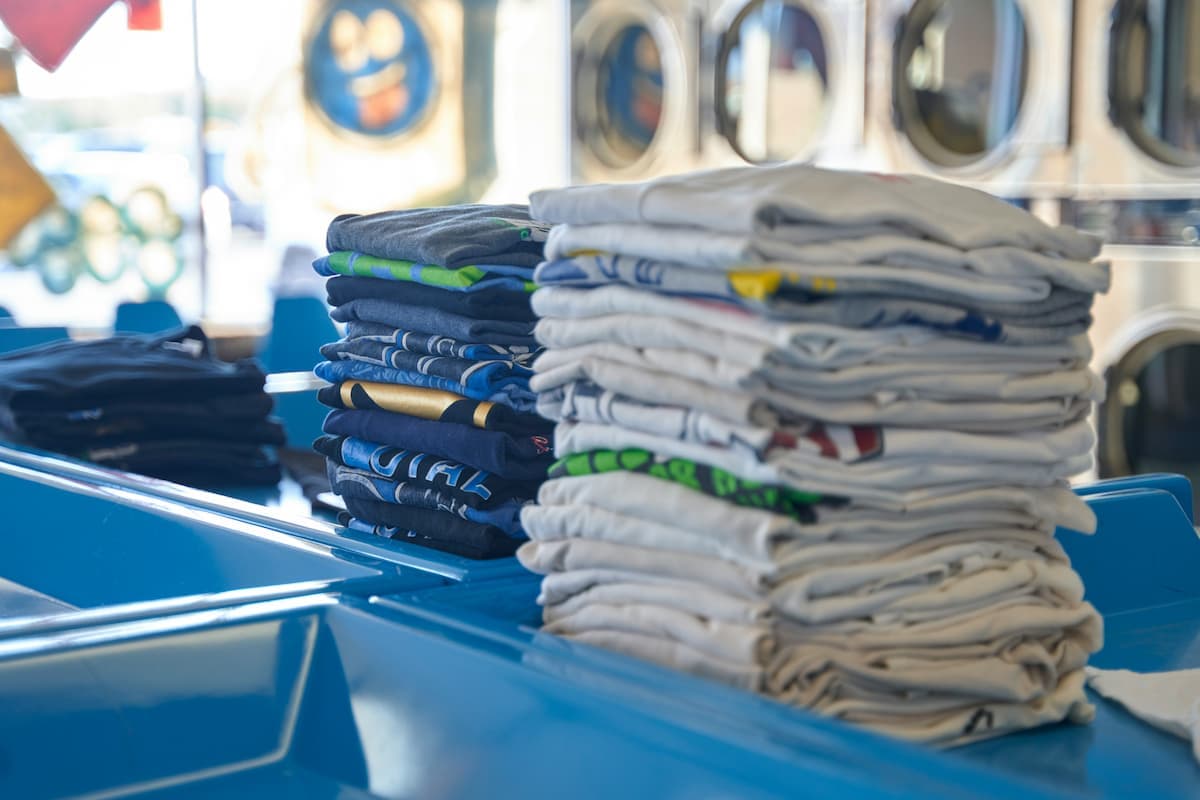
- Car washes, salons, laundrettes and gyms
- Care homes, schools, GP surgeries and charities
Usually 20% VAT
- Breweries, distilleries, bakeries that supply other businesses, and other food and drink producers
- Builders, contractors and demolition firms
- Engineering workshops, metal fabricators and vehicle makers
- Businesses that make chemicals or plastics, or process stone and minerals
A car wash can use many times more water than an engineering workshop and still pay no VAT on it. How much water you use is never part of the decision.
How businesses end up paying 20% by mistake
When you open a new account, your business water supplier will usually send a short form asking what your business does. If that form is never sent back, many suppliers charge 20% by default, because they can't confirm you qualify for 0%.
The other common causes are a business changing what it does without telling its supplier, or a new business moving into premises and taking over an account that was set up for an industrial tenant. It's always worth running an audit on your bill whenever you move premises or your business changes direction. Just as importantly, be honest on the form. There are penalties for claiming you're not industrial when you are.
Charges that always include VAT
Some services are separate from your normal water supply, so they're charged at 20% VAT whatever your business does:
- Having your meter tested, surveyed or read at your request
- Separate charges for maintaining your meter
- Cleaning, repairing or unblocking drains and sewers
- Turning your water supply off or back on at your request
- Testing the pipes on your own property
- Hiring temporary water supplies, such as a water tank or an outdoor tap connection
- Charges for connecting a new building to the water network
Hot water and steam supplied to you are also taxed differently, because they count as a supply of heat rather than water.
Does this matter if you're VAT-registered?
If your business is VAT-registered and the VAT on your water bill was charged correctly, you can claim it back on your normal VAT return, so it doesn't cost you anything in the end. The businesses that really feel it are those that aren't VAT-registered, and organisations that can't claim back all of their VAT, such as charities, care providers and landlords who rent out homes.
If you've been charged VAT by mistake, don't try to claim it back on your VAT return, because you can only reclaim what should have been charged in the first place. Instead, ask your business water supplier to correct your account and refund the difference. You can usually get back VAT you were wrongly charged for up to the last four years.
Not sure your water charges are right?
If your bill has VAT on it and you're not sure it should, or you just suspect you're paying more than you need to, we can help. We compare business water suppliers across the market and can look at what you're being charged, so you can see whether a better deal is available. It only takes a few minutes to start saving.