An Energy Guide for Places of Worship in 2026
A church, mosque, gurdwara or synagogue is rarely a single energy customer. The worship hall, hall and any manse next door are often billed separately, on different tariffs, signed years apart. Treated as one site, most congregations find a better deal sitting in plain sight.
Ecosave Gas & Power negotiates business energy contracts for places of worship, built around how these buildings are actually used and governed, not a generic small-business template.
4th Sept 2026
One Site, Several Meters
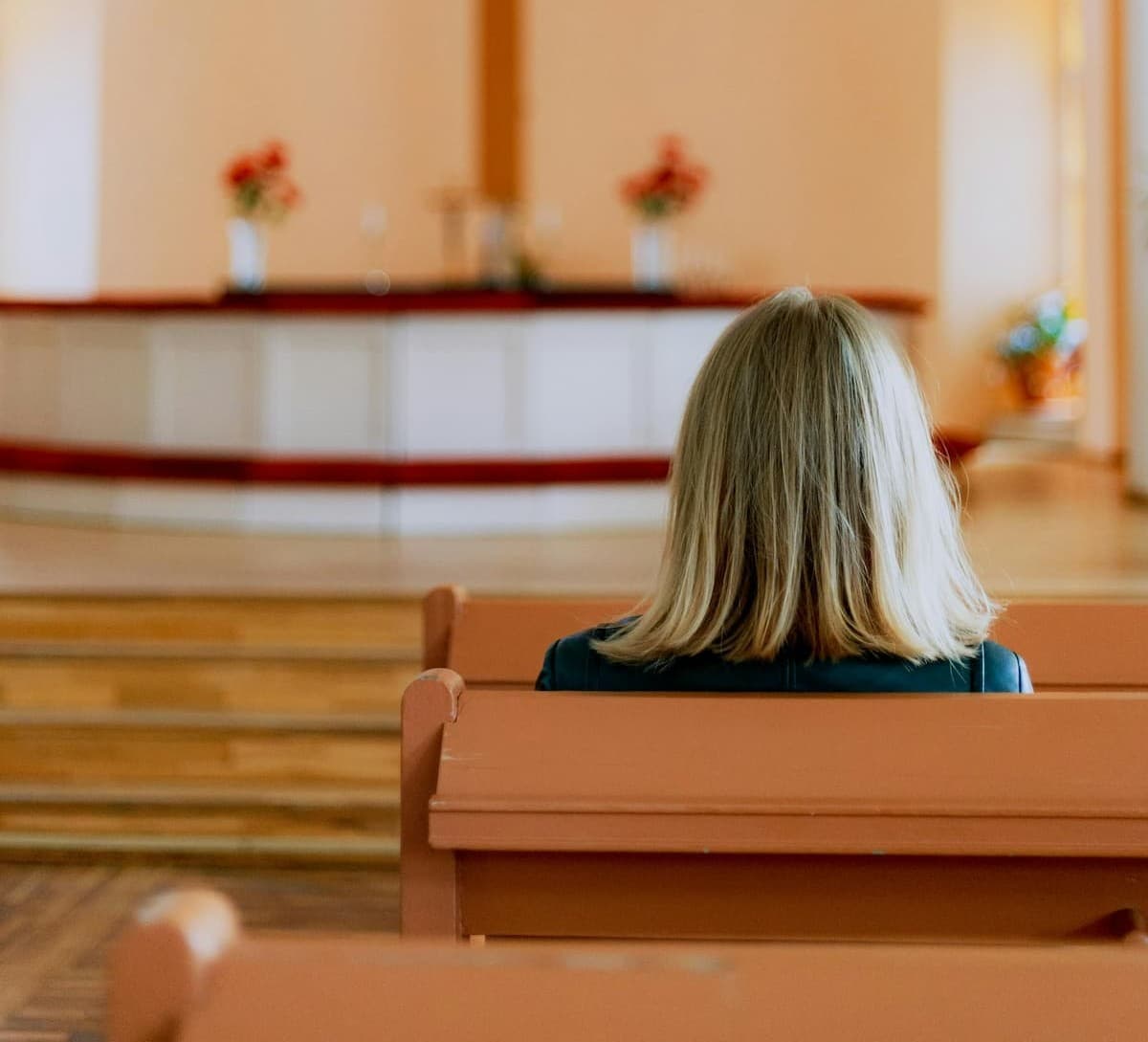
Worship Hall
The building everyone thinks of, and usually the largest load: mostly gas, heated in short bursts before each service rather than gently across a day.
Community Hall
Often used more through the week than the worship space itself: toddler groups, food banks, clubs. Usually its own separate contract, sometimes with a supplier nobody remembers choosing.
Manse, Vicarage or Parsonage
A private home, even on church land. It belongs on a domestic tariff, not a business one, and mixing the two up is a common billing error.
What A Building This Size Actually Uses
Industry estimates put a mid-sized parish church's electricity use at around 20 kWh per square metre a year, and gas at around 150, mostly because the whole volume is warmed from cold before each service rather than topped up like an office. For a 400 square metre church, a common UK size, that's roughly 8,000 kWh of electricity and 60,000 kWh of gas a year: often cited as nine or ten times an average home, for a building full a few hours a week.
None of that is a reason to accept whatever rate you're on. A congregation using that much energy is exactly the customer a broker can negotiate hardest for, provided they're working from real numbers rather than an old bill.
Widely used industry benchmarks. Your own reading, from a recent bill, will tell you more than any average can.
The VAT Line Most Treasurers Miss
Charitable, non-business use of business energy can qualify for a reduced 5% rate of VAT and exemption from the Climate Change Levy, instead of the standard 20%, but it isn't automatic. Suppliers default to the standard rate unless someone tells them otherwise, usually a volunteer treasurer who's never opened VAT Notice 701/19.
Below roughly 1,000 kWh of electricity or 4,397 kWh of gas a month, the reduced rate applies automatically, covering plenty of small chapels outright. Above that, a short VAT declaration is what unlocks it. If part of the building is used commercially, a hall let to a fee-charging nursery, say, HMRC's rule of thumb is that 60% or more charitable use qualifies the whole supply.
Why The Heating Never Fully Goes Off
Stone, lime plaster and old timber hold moisture like a sponge, and moisture that can't evaporate feeds damp, rot and mould instead. Letting a church go stone cold between services isn't cheaper long-term; it just makes the next repair bill worse. Most sites hold a frost-protection level instead, and lift it before people arrive.
A large share of these buildings are listed, many at Grade I or Grade II*, so insulation, secondary glazing or a heat pump usually need sign-off first, through a diocese's faculty system or the equivalent elsewhere. LED lighting can often move quickly. None of that applies to switching supplier, which needs permission from nobody but the people who sign the cheques, so it's nearly always the faster win.
Not One Shape Fits All Faiths
A parish church built for one Sunday service has almost nothing in common, energy-wise, with a mosque open for five daily prayers and a Friday peak, its ablution area needing steady hot water all day rather than one heating ramp. A gurdwara or temple running a daily langar kitchen looks more like a small restaurant: catering, extraction and refrigeration running most days, on top of a hall that still needs its own heating and lighting. A synagogue's pattern often peaks Friday evening and Saturday instead. We look at the actual rhythm of a building's week, not a Sunday-shaped assumption.
Who Actually Signs The Contract
It usually comes down to one of two positions, whatever the faith.
Where there's a diocese, circuit or trust
Church of England parishes, Catholic dioceses and Methodist circuits usually have some kind of central body that can offer guidance or, occasionally, a negotiated framework. In practice, most parish-level bills are still paid and signed by the parish itself, a churchwarden or PCC treasurer, with the diocese offering advice rather than doing the negotiating.
Where the congregation runs its own affairs
Mosques, gurdwaras, temples, synagogues and independent or free churches are typically run entirely by their own trustees or management committee, with no wider body managing utilities on their behalf. There's no framework to check against, which usually means more room to negotiate a rate built specifically around that one building.
Suppliers We Place Faith Sector Clients With
Not every supplier wants the admin of a multi-building site or the paperwork that comes with a charity VAT declaration. These four consistently quote well for places of worship, for different reasons.

- One of the few suppliers genuinely set up to bill a multi-building site, worship hall, community hall and residence, under one account
- SMETS2 smart and half-hourly metering as standard on new contracts
- Renewable-backed electricity tariffs, useful for congregations working toward a net zero target

- Comfortable handling charity and non-profit VAT declarations, which speeds up getting the reduced rate applied correctly
- Zero-carbon electricity tariffs backed by nuclear generation

- Can bundle gas, electricity and water into a single contract, useful where a langar kitchen or ablution area pushes water use above a typical office
- Half-hourly usage data broken down by circuit, which is how we've caught background heating left running well above frost-protection level

- A smaller, regionally focused supplier that often quotes competitively for single-building sites where the big six show less interest
- Fixed terms from twelve to thirty-six months, useful for budgeting against a PCC or trustee financial year rather than a calendar year
How A Switch Actually Runs
Switching business energy supplier for a school follows the same four steps whether it's a single-form-entry primary or a twenty-site trust.
Letter of Authority
A short document that lets us request your usage history and current rates directly from suppliers. It doesn't commit you to anything; it just gives us the data to compare against.
Portfolio review
We pull together every meter on site into one view, so a multi-building site is negotiated as a portfolio rather than meter by meter.
Market comparison
We take that portfolio to the whole market and bring back a complete comparison a committee or PCC can actually discuss and approve.
Contract start
Once you choose a supplier, the switch itself runs in the background over two to four weeks. There's no interruption to services while it happens.
Net Zero Is Already On The Agenda
The Church of England's General Synod voted in 2020 to work toward net zero carbon by 2030 across its roughly sixteen thousand local churches, with a Routemap published in 2022 setting out milestones for getting there. Other denominations and faith communities are having versions of the same conversation. Separately, the Listed Places of Worship Grant Scheme has historically refunded VAT paid on repairs and alterations to listed buildings used for worship, worth over £300 million since 2001 across every faith, though it's worth checking its current status before assuming it still applies. Neither of these requires switching business energy supplier, but a competitive rate frees up more of the budget for the insulation, LED lighting and heating work that actually moves the carbon number.
Get A Written Comparison
Free • No Commitment • Back To You In A Few Minutes
Frequently Asked Questions
Do we qualify for reduced VAT on our energy bill?
Often, yes. Charitable non-business use of energy can qualify for the reduced 5% rate of VAT and exemption from the Climate Change Levy, instead of the standard 20%, but it isn't automatic.
What is a Letter of Authority (LOA)?
This is a simple document that gives Ecosave Gas and Power the legal right to talk to suppliers on your behalf. It does not sign you into a contract; it simply lets us find the data we need to save you money.
Does Ecosave work with British Gas and Eon?
Yes. We work with all the 'Big Six' (British Gas, Eon, EDF etc.) as well as specialist challenger brands like Yü Energy and Yorkshire Gas & Power to ensure we see the whole market.
Can I switch if I'm currently in a contract?
You can usually secure a new rate up to 12 months before your current contract ends. We call this 'forward-purchasing.' It protects you if the market prices are predicted to rise.
We have a worship hall, a community hall and a manse on three different contracts. Can these be combined?
Often, yes, for the worship hall and community hall. A manse or vicarage used purely as a home stays on its own domestic tariff, but the worship space and any halls or community buildings can usually be brought under one negotiation, which tends to beat three small sites shopping separately.
How long does the switch take?
The 'paperwork' takes minutes. The actual switch happens in the background over 2–4 weeks. There is never a loss of power or gas during the transition.
Find Out What Your Buildings Are Actually Paying For
Send us a recent bill or a meter number, for one building or several, and we’ll tell you, in plain terms, whether you’re on a competitive rate, before you commit to anything.